Fat Plan Rabbit
Keep your rabbit healthy for as long as possible with VetPlan's preventive care
Is your pet in an emergency?
We’ll help you straight away during opening hours.
Call us immediately: 030 – 7210789
Outside opening hours, we’ll refer you to
the Emergency Clinic on duty; always call
030-7210789 first for more information and opening hours.
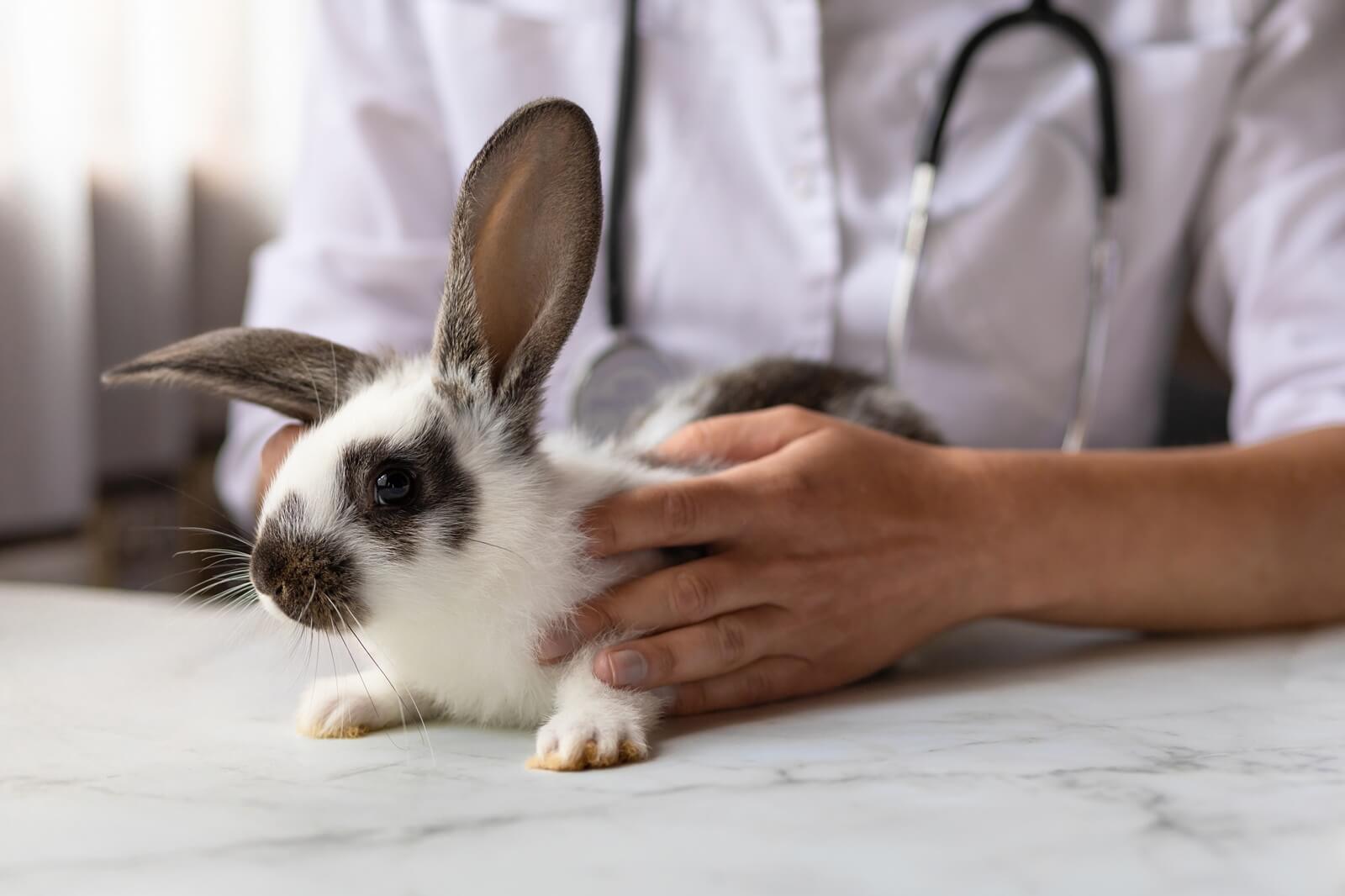
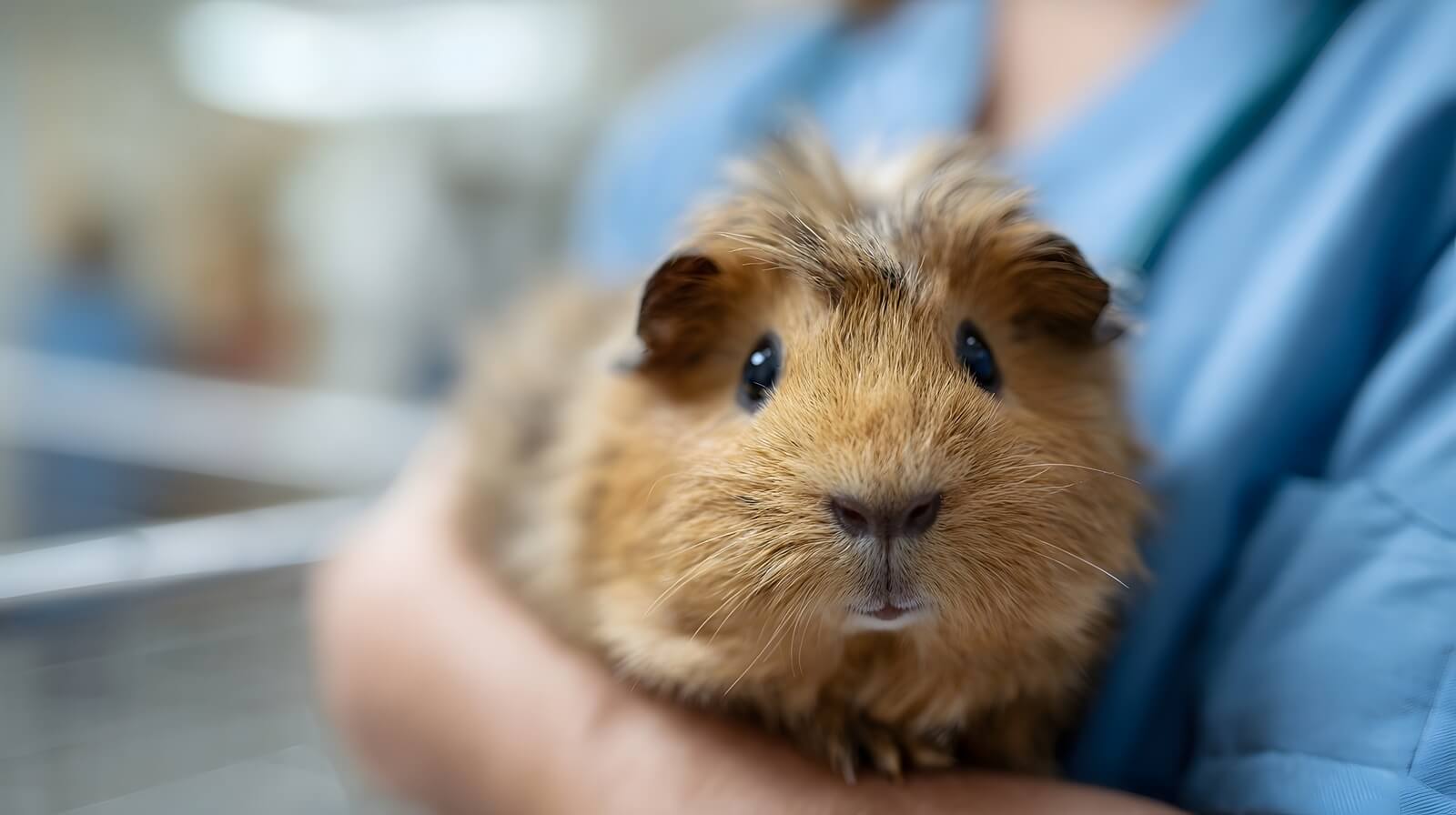
We regard rabbits and rodents, such as guinea pigs, gerbils, hamsters, or chinchillas, as full-fledged pets that deserve and can receive as much attention as any other pet.
As these animal groups are unfortunately somewhat underrepresented in veterinary studies, we have attended many continuing education courses and conferences both domestically and abroad to remain fully up to date on all possible treatments, but primarily to prevent animals from becoming ill.
We possess expertise in extensive dental problems, such as malocclusion of incisors, molar spurs, abscess treatments, and ear infections. Furthermore, we offer the possibility of admitting a rabbit or rodent to our inpatient ward to provide the best possible care, including fluid therapy.
When a rabbit suddenly stops eating, it is often necessary to conduct further investigation through, for example, X-rays or blood tests, and overnight hospitalization may be required if the animal is severely ill.
Additionally, Karolien is a certified rabbit groomer and can always provide advice regarding your rabbit’s coat care; however, you are also welcome to bring them in for a professional grooming session.
We will always explore the possibilities that offer the best outcome for the animal.
Rabbits are masters at hiding illness. Therefore, we consider it essential to examine them thoroughly at least once a year and to vaccinate them against life-threatening diseases.
Included:
For senior rabbits or those where additional monitoring is desirable.
Including annually:
Furthermore, both options include a 10% discount on dental treatments, should your rabbit ever develop a dental problem or perhaps already has one.
View the VetPlan for your rabbit below.
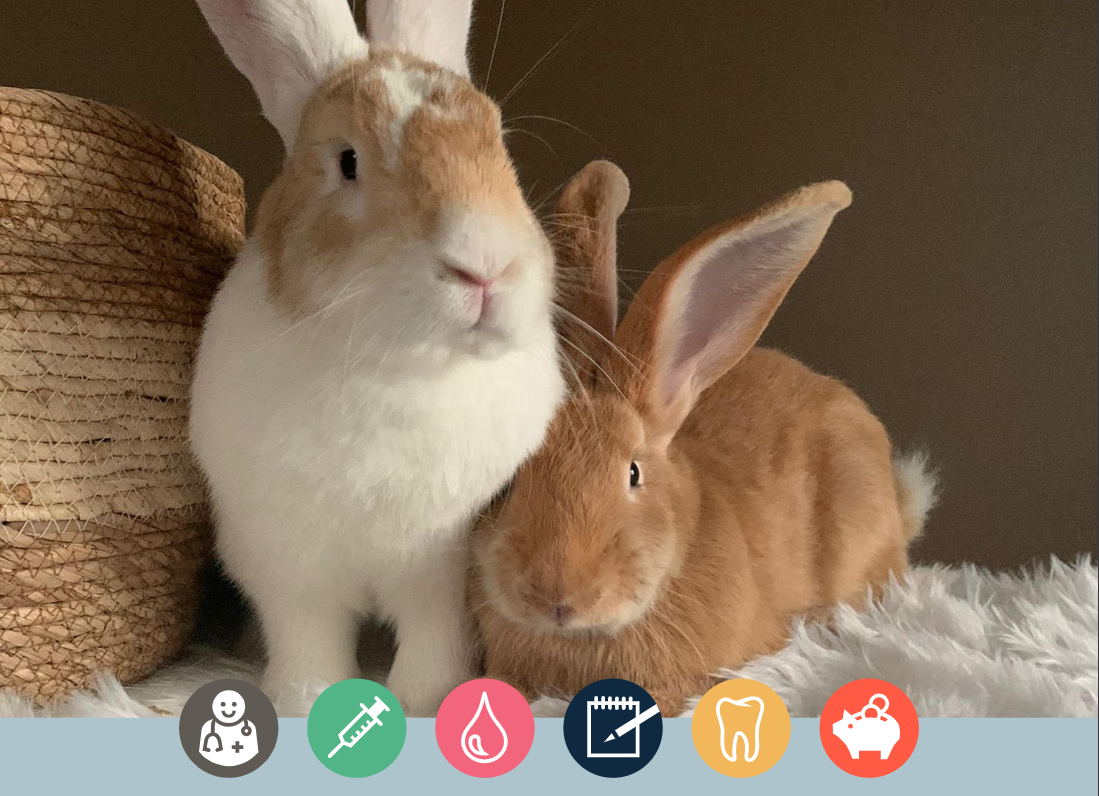
Keep your rabbit healthy for as long as possible with VetPlan's preventive care
An emergency is any situation where your animal’s life is in danger or they are in severe pain. Always contact us immediately if your animal:
An emergency is any situation where your animal’s life is in danger or they are in severe pain. Always contact us immediately if your animal:
Not eating is always emergency in rabbits. Call immediately, as this can be life-threatening.
Once a year against myxomatosis and RHD (VHS1 and 2).
Teeth grinding, sluggishness, eating less or sitting in a corner are alarm signals.
Hay is the most important thing. In addition, some fresh vegetables and a small amount of kibble.
Twice a year is normal, but make sure he or she keeps eating, or a hairball may have developed.
Yes, that is urgent. Guinea pigs should not fast – call us immediately.
At least 1-2 times a week, depending on the species and group size.
Hamsters are nocturnal animals. They sleep a lot during the day, but sluggish behavior at night is a warning sign.
Mild sneezing may be due to dust, but persistent sneezing or wheezing requires investigation.
Only if they are well sheltered and never fall below 10°C. Inside is safer.
Or do you simply have a question about your animal? We are here for you – by phone, email, or WhatsApp.
Attentive care isn’t just noticeable in your pet; you feel it as an owner too.
Read about our customers’ experiences at Zoo Bijzonder: