Skip to content

Blog

Welcome to the Zoo Bijzonder Veterinary Clinic blog. On this page, we share stories about our unique patients, provide background information, and more. Should you have any questions, please feel free to contact us.

View our latest news

The latest news for your animal

February = Dental Health Month at Our Practice!

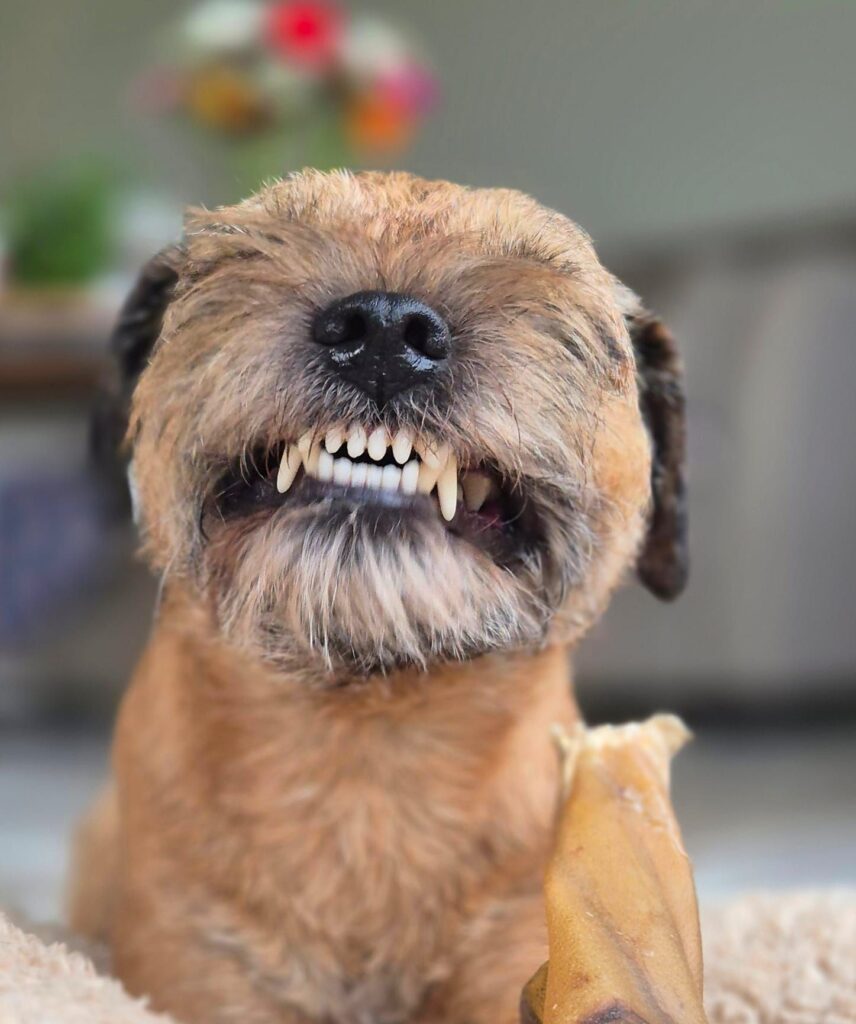
Just like for us humans, a healthy mouth is essential for animals. Yet dental care is often underestimated. Did you know that problems in the mouth don’t just cause pain, but can also affect your pet’s entire body? That’s why February is Dental Health Month at our clinic, with a special offer for all our patients! Free dental check + 10% discount Throughout the whole month of February, you can visit us for a free dental check with your pet.During this short examination we look for: Tartar buildup and inflammation Broken or loose teeth Bad breath (often the first warning sign!) Signs of pain in the mouth If treatment is recommended, you will receive: 10% discount on dental treatments and dental-related products This way, we make it easier to take good care of your pet’s oral health. A healthy mouth = a healthy body Dental problems are not “just” bad breath or a bit of tartar. They can: Cause chronic pain Spread infection through the bloodstream Put strain on the heart, kidneys and liver Reduce appetite and overall wellbeing Many animals hide pain very well. This means a dental problem may already be present long before you notice anything at home. Preventive checks are therefore extremely important. Rabbits and rodents are welcome too Not only dogs and cats benefit from this promotion.Rabbits and rodents are very welcome as well! We have extensive experience and expertise with these species. Their teeth grow continuously, which makes them prone to problems such as overgrowth, misalignment and painful infections — sometimes even life-threatening if left untreated. Small check, big difference A quick dental check can make a world of difference to your pet’s comfort, health and quality of life. 📅 Book your appointment in February today📞 Call us or schedule easily online Together, we’ll make sure your pet can live life with a healthy, happy smile!

Fireworks anxiety in pets: what can you do to help your pet?

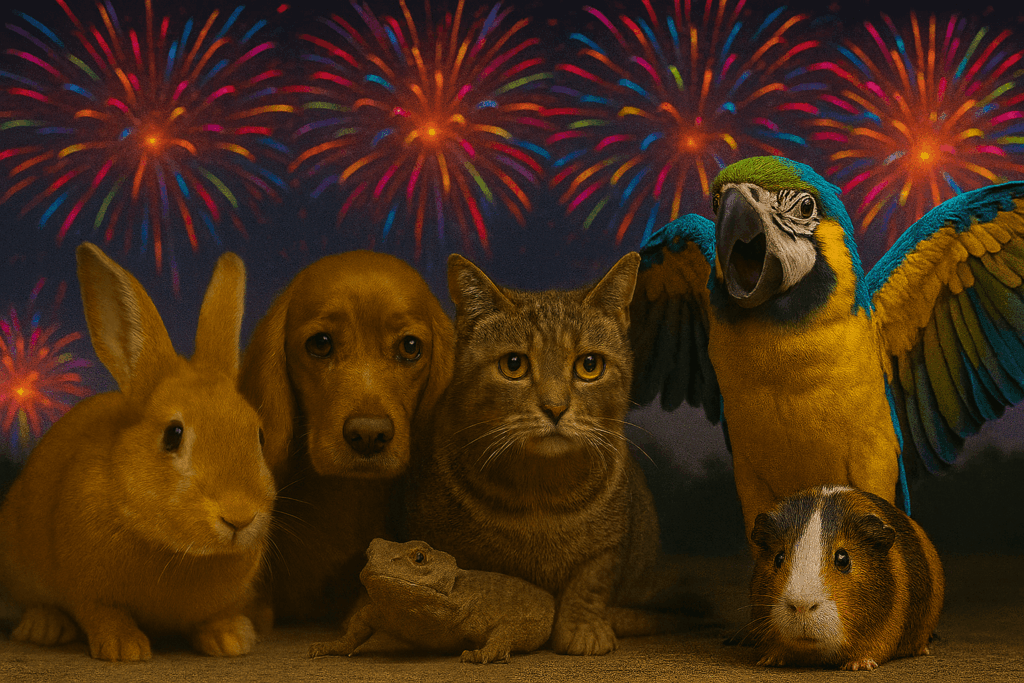
For many people, the month of December and the turn of the year belong to coziness, lights and being together. But for many pets, dogs, cats, rabbits, birds and other special animals, this period is a source of stress. Noise, flashes, the smell of fire and unexpected bangs can trigger strong fear responses in animals. Fortunately, there are many things you can do to help your pet feel safer. In this blog, we explain where fireworks anxiety comes from, how to recognize it and what steps you can take, from training to medication. Why are so many animals afraid of fireworks? Animals often have much sharper senses than we do. Dogs and cats hear bangs at a much higher intensity. Rabbits and birds are prey animals and instinctively respond to loud noises. Birds may even start flying around in panic, with a chance of injury. In addition, bangs are unpredictable; sounds, vibrations and flashes of light come suddenly and for no apparent reason. This makes it difficult for animals to understand whether they are safe. How do you recognize fireworks anxiety? Different animals show fear in different ways: Dogs Trembling, panting, walking around restlessly Hiding or just being extremely affectionate Not wanting to eat Barking, squealing or whining Cats Hiding in dark places Excessive washing Unwinding due to stress Tense body posture, large pupils Rabbits Sitting silently and huddled together Not wanting to eat (dangerous → risk of gas belly or stagnant intestines) Stomping with hind legs Birds Panicked flying back and forth Plucking feathers or injuring themselves Not unwinding at the sleeping place Do you see this behavior? If so, chances are your animal could use support. What can you do at home? (step 1: environmental modifications) With a few simple adjustments, you can reduce a lot of stress: Create a safe place A quiet, sheltered space where your animal can retreat helps tremendously.For example: bedroom, bathroom, crate with rug over it, or a separate room. Close windows & curtains This dampens both flashes of light and sound. Turn on background noise Soft music, a TV or white noise helps mask loud bangs. Stay calm yourself Animals mirror our emotions. Excessive comforting sometimes backfires, but radiating closeness and calmness does help. In birds Cage in a quiet room Light dimming if necessary Keep them from flying around out of panic Training: building self-confidence This is a long-term solution and works best if you start it well before the New Year. Sound desensitization With special fireworks sound recordings, you can slowly get animals used to sounds. You start at a very low volume and build it up step by step. Positive associations Pairing short sounds with something nice (play, snacks, attention) can help animals feel more confident. Consistent practice often produces great results, but it takes time, so preferably start in the fall. And medication? Yes, but responsibly. Some animals need more than just training and environmental modifications. If the anxiety is very high, temporary medication can help reduce stress and prevent dangerous behaviors (such as panic escape or injuring themselves). Important: Not all remedies are safe. Some outdated drugs make animals drowsy but do not lower their anxiety, so they experience stress consciously but cannot react. We do not use these drugs in the veterinary clinic. What types of support can we offer? (Without brands or dosages - we always determine those based on the individual animal). Short-term medication For New Year's Eve or acute anxiety. Helps reduce stress so your animal does not panic.We choose only remedies that reduce anxiety, not remedies that "paralyze" an animal. Long-acting anxiety inhibitors In animals with severe fear of fireworks or animals that are restless for long periods throughout the December period. Natural support or supplements For mild to moderate anxiety, or as an adjunct to other remedies. Always custom selected We look at: type of animal, age, weight, health, previous experience and degree of anxiety. What can you do beforehand at home if you are considering medication? Contact us on time (preferably early December or earlier). Don't wait until Dec. 31; many resources work better if you start a few days beforehand. When should you contact immediately? If your animal stops eating due to stress (especially rabbits!) In cases of extreme panic or self-injury If your animal had a previous bad reaction to fireworks When in doubt about whether medication is necessary You're not alone, we like to think with you about what's best for your animal. Together we make the New Year bearable for your special pet With proper preparation, you can prevent a lot of anxiety and make New Year's Eve a lot more enjoyable for your pet. Want tailored advice, unsure about medication or want to make a plan for your animal?Please feel free to contact us, we are happy to help.

Holidays & pets: cozy, but watch out for these dangers

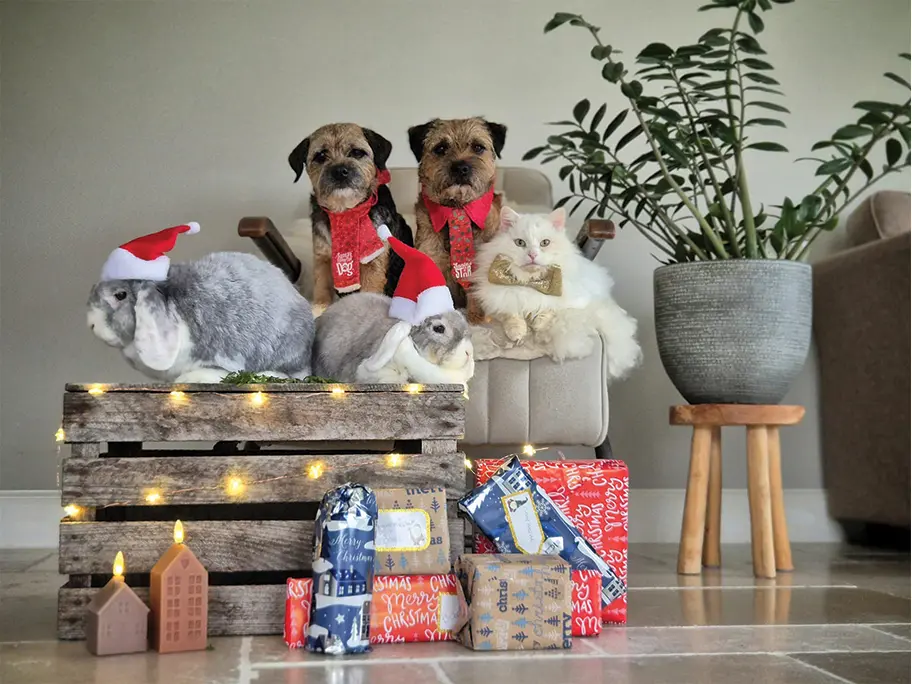
The holidays are a cozy time for many people, full of good food, decorations and warm moments together. For our animals, however, this period can also bring unexpected risks. Fortunately, you can prevent many problems with a few simple precautions. In this blog, we list the most important points of attention for you, so you and your special pet can safely enjoy the holidays. Dangerous foods: chocolate, grapes and party food leftovers Chocolate Chocolate contains theobromine, a substance toxic to dogs, cats, rabbits and birds. The purer the chocolate, the higher the concentration and thus the more dangerous.Please note that even small amounts can cause symptoms such as vomiting, agitation, panting and, in severe cases, cardiac arrhythmias. Grapes and raisins These seem harmless, but can cause acute kidney problems in dogs. So currant bread and stollen are also not good snacks for your four-legged friend. Onion, garlic and leftovers from the gourmet set Many party dishes contain ingredients that are not suitable for animals.- Onions and garlic are toxic to dogs and cats.- Spicy or fatty leftovers can cause gastrointestinal distress and pancreatitis.- Bones (from poultry) can splinter and cause intestinal obstruction or perforation. Alcohol A curious lick from a glass of mulled wine or champagne may seem harmless, but animals react much more sensitively to alcohol and can quickly develop serious symptoms. Christmas trees & Christmas greenery: beautiful but not always safe The Christmas tree is a part of December, but for some animals it poses a few risks. For cats Christmas tree water often contains resin, bacteria and sometimes even nutrients that are toxic. So cover the water container properly. Needles can cause stomach or intestinal irritation if swallowed. Climbing cats may additionally pull branches, lights or ornaments loose - with a chance of falling, injuring or swallowing them. For rabbits and rodents Rabbits are curious gnawers. Most Christmas tree species are not directly poisonous, but the stuck resin and any artificial snow can cause problems. So prefer to keep them away. Also pay attention to the cord of Christmas lights! For birds Birds can react sensitively to fumes from scented candles, sprays and artificial snow. Provide plenty of fresh air and don't let them nibble on or on the Christmas tree. Gourmets & birds: an important warning During the holidays there is a lot of gourmet, grilling and baking. For birds, this can be life-threatening. Many pans, non-stick coatings and utensils contain PFTE/Teflon. When these materials get too hot, they can release invisible fumes that are extremely toxic to birds, even in small amounts.This can cause fatal lung damage within minutes. Our advice:Always put birds in another room with good ventilation during gourmet cooking, baking and grilling. Adornment: attractive but sometimes risky Garlands, ribbons, angel hair and gift paper can pose choking or choking hazards if animals play with them or swallow them. Candles are cozy, but be sure to keep tails, whiskers and wings at a safe distance. Glass baubles can break and cause injury. Plastic baubles are a safer choice. Noise & stress: fireworks and party crowds Loud noises, unfamiliar visitors and busy times can cause stress. Prepare a quiet place for sensitive animals where they feel safe. As much as possible, try to keep the daily structure the same. For anxious animals, additional resources or support may be desirable. Feel free to ask us for advice and keep an eye out for our next blog. Holidays safe and fun With a few simple adjustments, you and your pet can enjoy a wonderful, safe December month together. Do you have doubts about what is or is not allowed, or do you think your animal has ingested something wrong? Feel free to call us. Better to ask once too many questions than to intervene too late. On behalf of the entire team at Animal Clinic Zoo Special, we wish you and your special pet happy, safe holidays!