Vetplan Bird
Keep your bird healthy for as long as possible with VetPlan preventive care
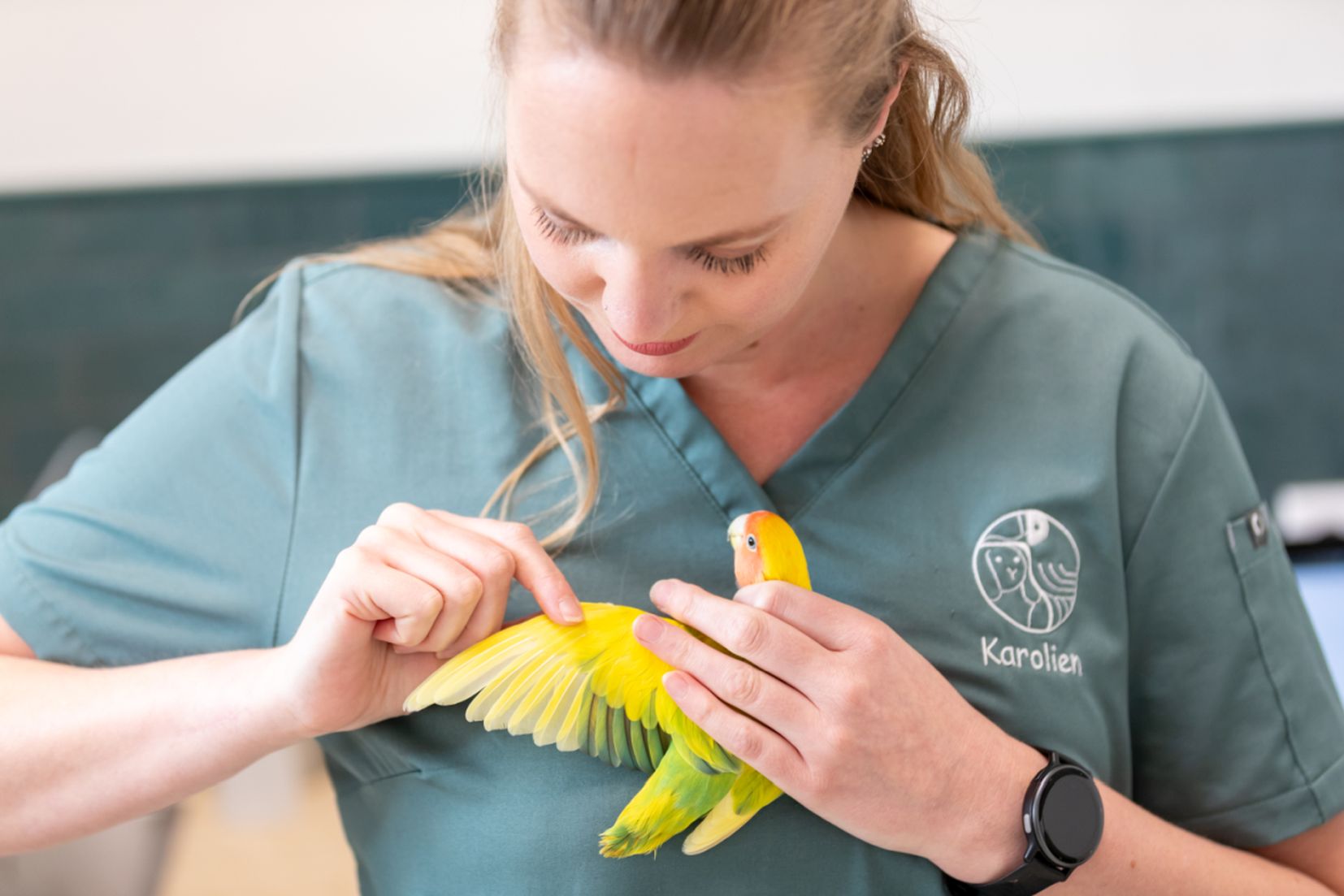
Avian medicine is a distinct branch of veterinary medicine, where much more is often possible than initially thought. When a bird is ill, it does not immediately mean the end. However, it is important to be able to intervene as quickly as possible, as this significantly increases the chances of survival.
Prevention is, however, more important than cure; this applies to all animals. We prefer to assist you with the basics, providing advice on the best nutrition, housing, and care. Maintaining a consistent weight for the bird is an important first step in this process.
If, despite all precautions, the bird is not feeling well or is seriously ill, please call us as soon as possible to schedule an appointment. We aim to work by appointment as much as possible, but if immediate scheduling is not possible due to high demand, the bird can often be brought in for emergency care. Warmth, hydration, and energy are of vital importance during the initial phase of illness.
Sometimes further investigation is required to establish a diagnosis, such as fecal examination for bacteria, yeast, or parasites, a crop wash, an X-ray, or an endoscopy.
Even when a wing or leg is broken, it can usually be repaired with a splint or surgery under (gas) anesthesia. If you are unsure whether a certain treatment is still viable or meaningful, you are always welcome to contact us to discuss the possibilities.
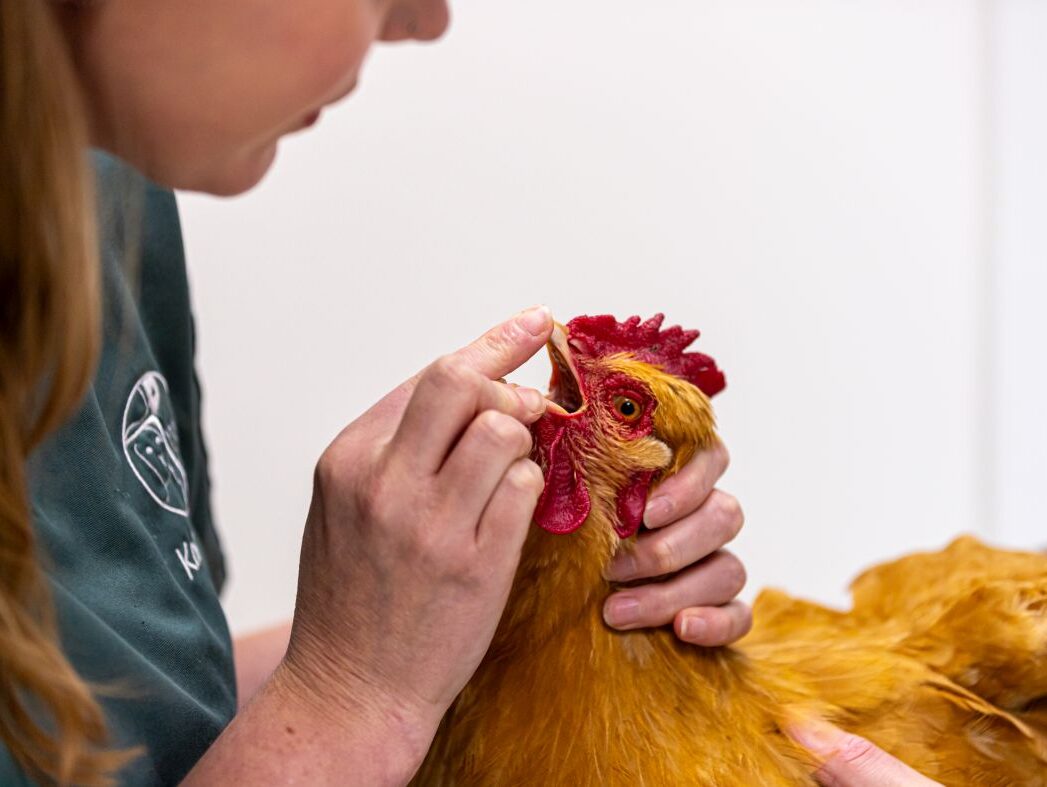
Birds often only show they are ill at a very late stage. Therefore, an annual health check is extremely valuable, especially since many birds can live for decades.
Included:
For seniors or birds where regular monitoring is of extra value.
Including annually:
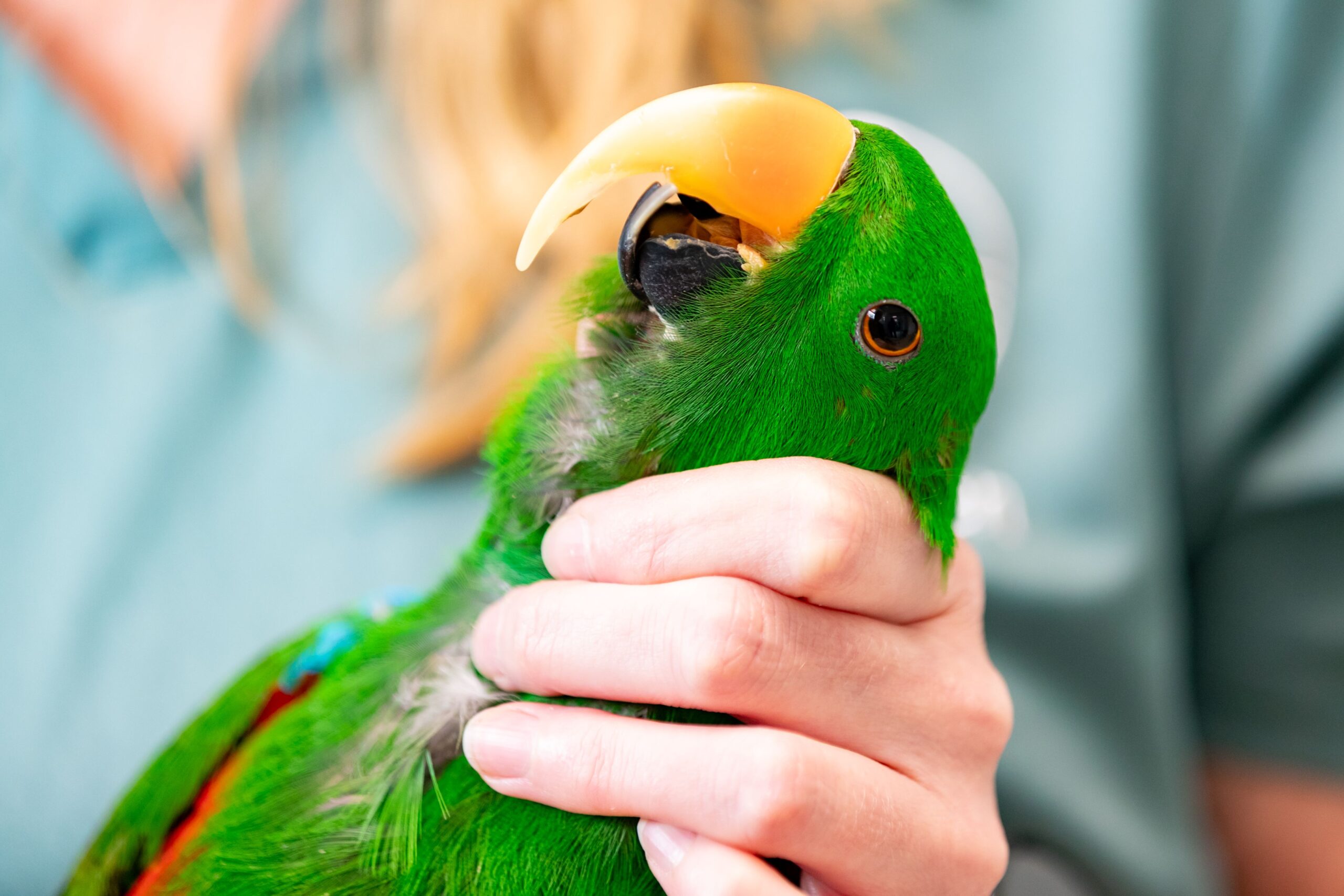
Keep your bird healthy for as long as possible with VetPlan preventive care
Tip: Keep your bird warm, dark, and calm in a small transport cage during transport.
This is a serious sign – call us immediately. Birds hide illness for a long time.
Do not eat avocado, chocolate, caffeine, onion, alcohol or salt.
Provide fresh air, no drafts, and never use Teflon pans (the fumes are toxic).
Molting is normal, but bald spots or itching may indicate parasites or (internal) stress.
Call right away, she may have egg laying problems. That’s urgent.
Yes.
We help with:
This can be done via a short consultation.
No. Harrison’s is not banned.
The current poor availability is likely due to import and distribution issues, not a quality issue.
We are currently seeing:
As a result, many webshops are temporarily out of stock.
Not directly, but:
That is why a gradual transition is important if necessary.
We currently have limited stock via a European supplier.
➡️ Contact us for:
There are several high-quality pellet feeds, but:
👉 We are happy to advise on an alternative that suits your bird.
This is common.
Tips:
⚠️ Is your bird still eating poorly? Please contact us.
Pellets are specially formulated to provide birds with all essential nutrients in the correct proportions. Unlike seed mixtures, where birds often eat selectively, a bird consuming pellets receives complete nutrition with every bite.
Pellets ideally form the basis of the diet, but should preferably be supplemented with:
👉 Are you unsure if your bird is receiving the correct nutrition? We are happy to assist you.
Or do you simply have a question about your animal? We are here for you – by phone, email, or WhatsApp.
Attentive care isn’t just noticeable in your pet; you feel it as an owner too.
Read about our customers’ experiences at Zoo Bijzonder: