


Reptiles
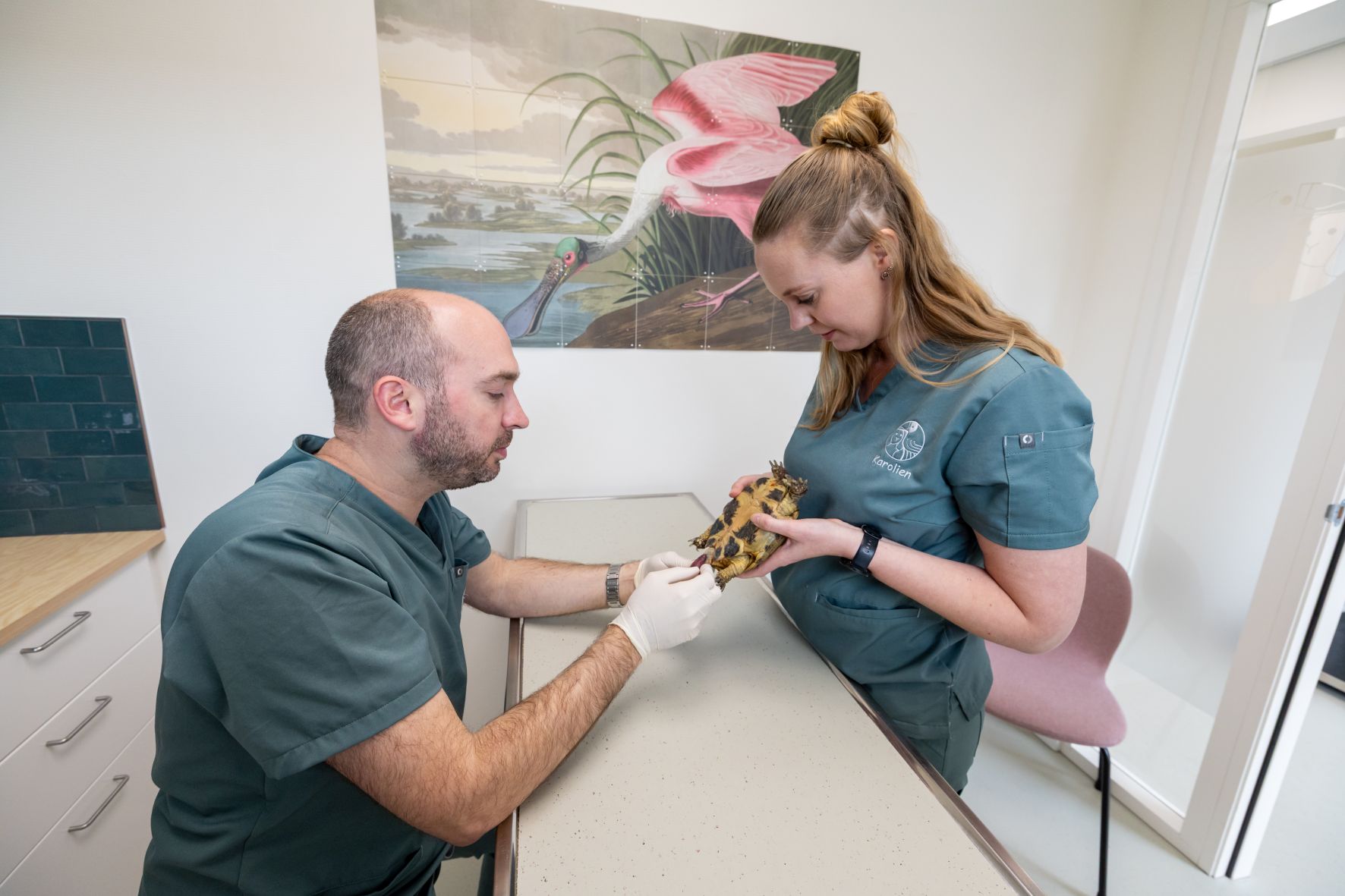
Reptiles are a unique group of pets that are most welcome at our clinic. Whether it concerns a turtle, lizard, snake, or crocodile, we are almost always able to provide assistance.
It is often advisable to gather as much information as possible before purchasing a reptile as a pet, specifically regarding optimal housing, suitable temperatures, and nutrition. We are also available to assist you with these matters.
Should any issues arise despite proper housing, temperature, and nutrition, we are likely able to assist. The first sign of suboptimal housing is often an overgrowth of parasites, such as worms or flagellates. We can easily verify this through a microscopic fecal examination.
In some cases, additional diagnostics such as blood tests, X-rays, ultrasound, or endoscopy may be required. Even when a reptile requires anesthesia for surgery, is this possible using our precise monitoring equipment and specialized anesthetic protocols.
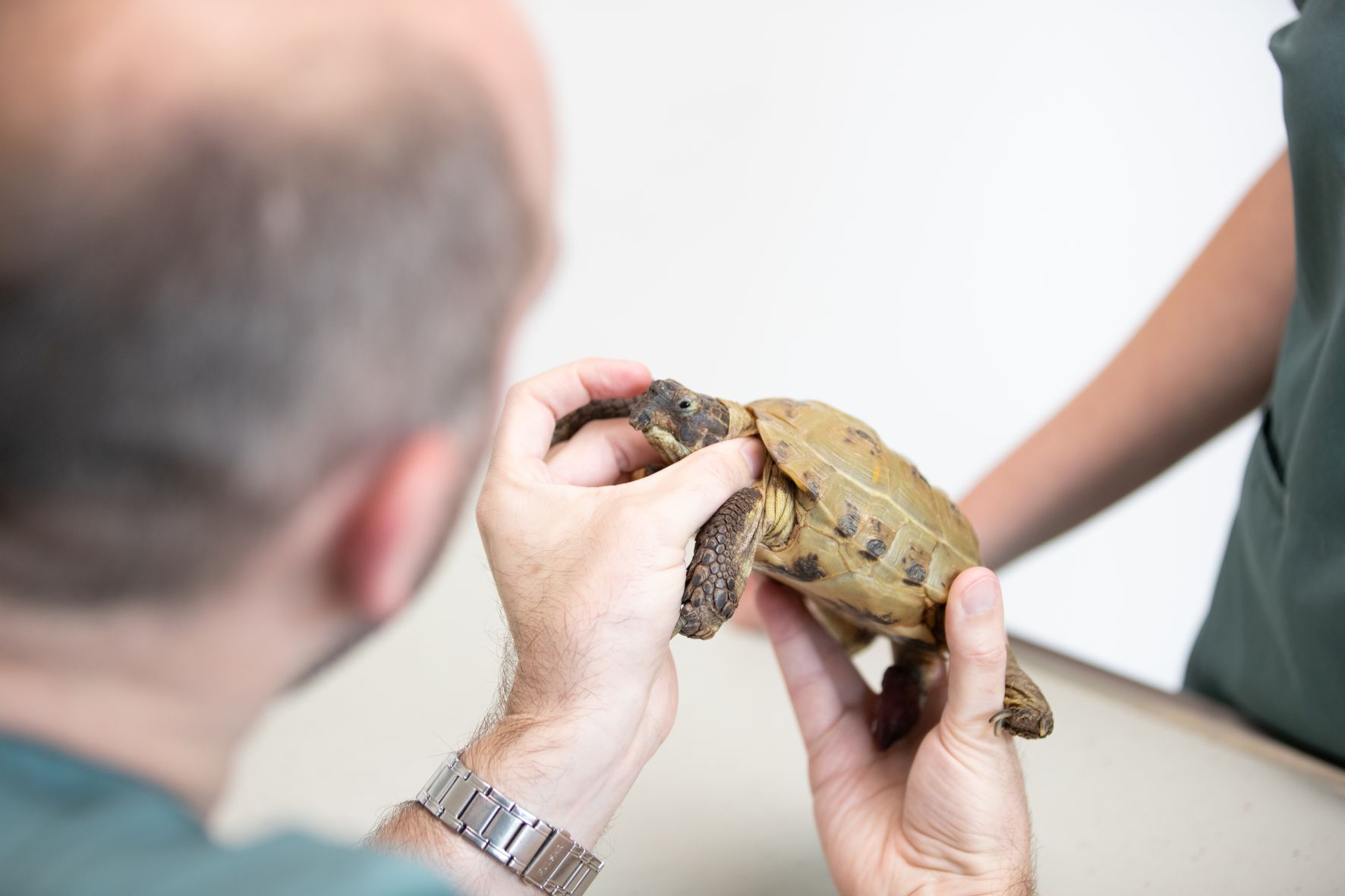
Reptile emergencies
Recognize emergency symptoms and act quickly
Please contact the veterinary clinic immediately if you observe one or more of the following symptoms:
- Severe respiratory distress or open-mouth breathing
- Inability to move or sudden paralysis
- Severe injuries, bite wounds, or bleeding
- Prolapse (protrusion of the cloaca, hemipenis, or oviduct)
- Egg binding or clear signs of dystocia
- Severe burns (e.g., from heat lamps)
- Loss of consciousness, seizures, or severe lethargy
- Sudden loss of appetite in combination with other signs of illness
Frequently asked questions reptiles
If your question is not listed here, please feel free to contact us!
-
Urgency occurs when your reptile is acutely ill or injured and cannot wait until a regular appointment. Reptiles often show illness late; when you notice obvious symptoms, the situation is often already serious.
-
Not eating may be normal in some species (e.g., during molting or hibernation), but in combination with lethargy, weight loss, swelling or respiratory problems, this is urgent. In young animals, not eating is more quickly of concern.
-
- Keep your reptile warm, but avoid overheating
- Place the animal in a clean, dark and quiet transport crate
- Use kitchen paper or a towel as ground cover
- Do not give medication without consultation
- Always call ahead so we can prepare
-
Only if it is accustomed to it. Excessive handling can cause stress and health problems.
-
Yes. Reptiles feel pain, but often show it subtly. Reduced activity, aggression, apathy or abnormal posture can be signs of pain or severe discomfort.
-
Yes. Sick reptiles often cannot regulate their body temperature properly. Hypothermia delays recovery and can be life-threatening. Proper warmth during transport is crucial.
-
Our clinic treats most common reptiles such as snakes, lizards and turtles.
-
When in doubt: always call. Better to consult once too much than to intervene too late. With reptiles, delay can have serious consequences.
-
Use a thermostat, hygrometer and good UVB lamp; check daily.
-
No, that indicates a problem, make an appointment.
-
Provide adequate moisture and shelter with damp sphagnum or paper; if it fails, come by.



READY TO MAKE AN APPOINTMENT?
Or do you simply have a question about your animal? We are here for you – by phone, email, or WhatsApp.
Customer experiences
What our customers say
Attentive care isn’t just noticeable in your pet; you feel it as an owner too.
Read about our customers’ experiences at Zoo Bijzonder: