


ZOOther animals
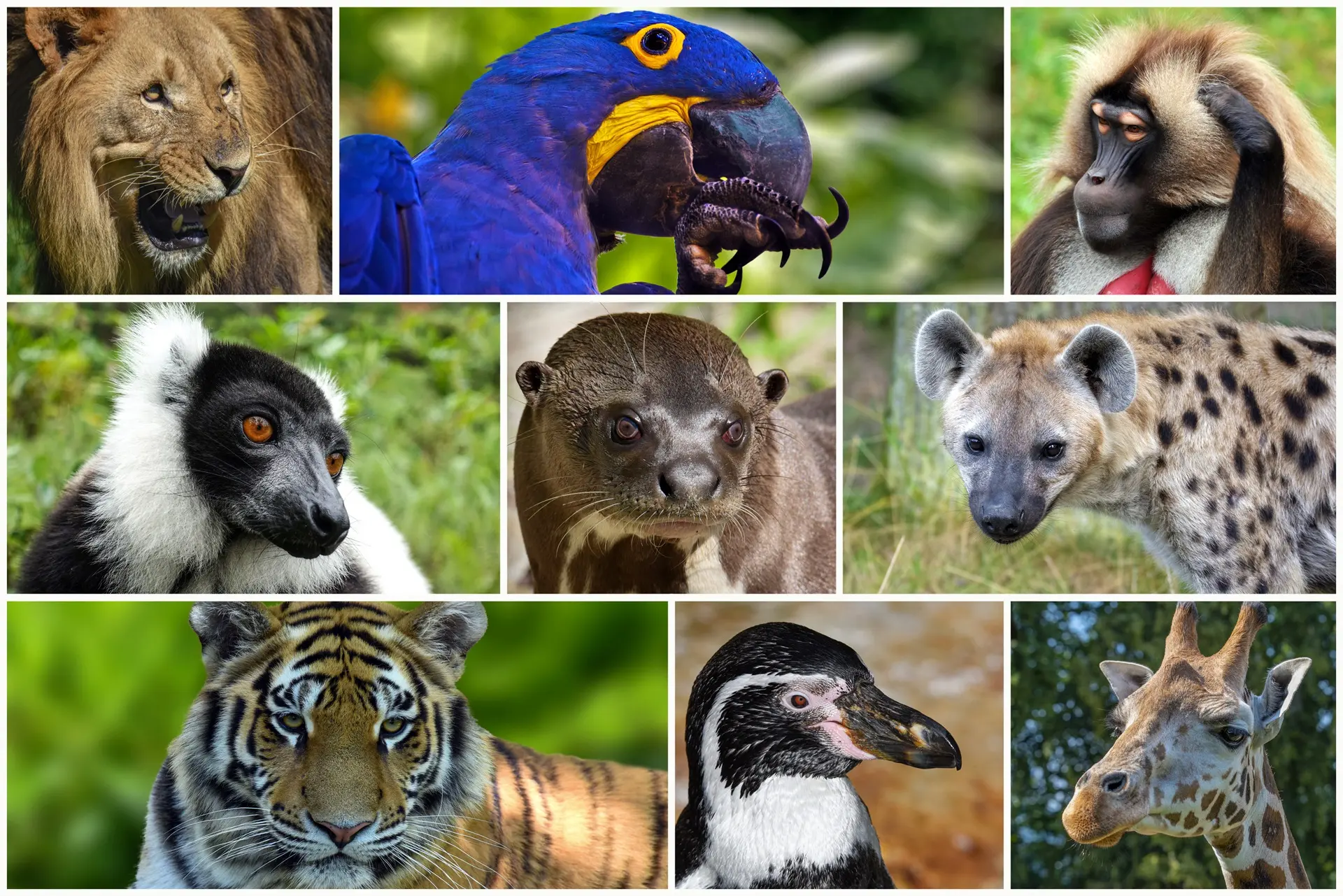
If you have an animal that does not fit into the other categories and which you might encounter in a zoo, for example, there is a high probability that we also have experience in treating it.
Rick also provides guidance to various zoos and has years of experience with less common animal species kept in the Netherlands. Whether it concerns a prairie dog, porcupine, wallaby, or kangaroo: expert veterinary care is essential for exotic animals as well.
If you have questions regarding the health of an exotic animal, please feel free to contact us. We consider the animal’s welfare and always seek a suitable solution. Where necessary, we make use of our extensive network of specialized colleagues in the Netherlands and abroad.
We can also provide support for tele-immobilization – the remote sedation of an animal. This is used in specific situations, such as escapes or when an animal cannot safely be approached for transport. Depending on the circumstances, a blowpipe or dart gun may be used, with the safety of both humans and animals always being the guiding principle.




Frequently asked questions regarding zoother animals
If your question is not listed here, please feel free to contact us!
-
We accompany a wide range of ZOO and special animal species, including mammals (such as prairie dogs, porcupines, wallabies and kangaroos), birds (including parrots, toucans, flamingos), reptiles and primates. Zoos, shelters as well as private collections can contact us.
-
Yes. We advise zoos and special animal keepers in implementing and complying with laws and regulations, such as zoo permits, welfare requirements, registration requirements and veterinary protocols.
-
Sure. Welfare is central to our approach. Our advice includes housing, nutrition, group composition, enrichment, stress reduction and medical prevention.
-
Yes. We establish customized vaccination programs for birds, mammals and reptiles, among others. For sensitive fruit-eating birds, for example, vaccination with Pseudovac against Yersinia can be used, depending on risk profile and husbandry conditions.
-
Absolutely. Problems with fertilization, embryonic mortality or hatchability rates are common. We analyze incubator settings, hygiene, parent animals and nutrition to improve breeding results.
-
Yes. Hand rearing requires specialized knowledge. We advise on nutrition, frequency, hygiene, growth curves and preventing behavioral problems later in life.
-
Tele-immobilization is the remote stunning of an animal using a blowgun or stun gun. This is used when an animal cannot be safely approached or captured.
-
Tele-immobilization may be required in:
- Escaped animals
- Transportation of difficult-to-handle animals
- Medical procedures in which fixation is unsafe
- Emergencies requiring quick action
-
Yes, if performed by an experienced veterinarian and with the proper means. Safety for animal, human and environment is always paramount and the method is carefully tailored to animal species, weight and situation.
-
Yes. We have an extensive network of specialized veterinarians, researchers and institutions at home and abroad. If necessary, we engage this expertise.
-
Depending on the demand and situation, on-site supervision is possible, for example, at zoos, large collections, breeding facilities or emergency situations.
-
Yes. We have experience with processes involving NVWA and/or RVO, such as inspections, licensing processes, notifications and enforcement. We can assist with veterinary substantiation, risk analyses and the drafting or clarification of protocols.
-
Yes. We assist zoos and keepers of special animals in preparing for NVWA inspections, interpreting findings and implementing improvement measures in the areas of health, welfare and biosecurity.
-
Sure. We can help with veterinary parts of permit applications, welfare reports, animal management plans and substantiation towards RFO or other competent authorities.
-
Yes. In complex or sensitive processes, we can act as an independent veterinary advisor, for example in disputes, enforcement processes or consultations with regulatory bodies.
-
Please feel free to contact us. If in doubt, we are happy to think with you and see if and how we can support you.


READY TO MAKE AN APPOINTMENT?
Or do you simply have a question about your animal? We are here for you – by phone, email, or WhatsApp.
Customer experiences
What our customers say
Attentive care isn’t just noticeable in your pet; you feel it as an owner too.
Read about our customers’ experiences at Zoo Bijzonder: